
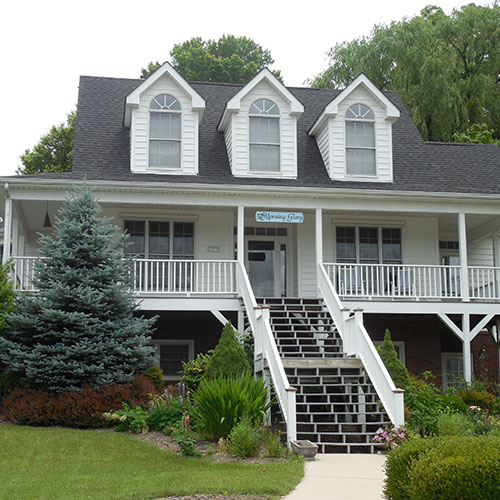
Parents helping children into the market, couples adding a partner to the title, siblings restructuring ownership – there are many reasons to transfer property to a family member. Even when no money changes hands, the transfer is a formal legal process with stamp duty, tax and lender implications. Getting advice first can save you from an unexpected bill.
Common Reasons to Transfer Property to a Family Member
- Adding a spouse or domestic partner to the title.
- Transferring the family home between partners after separation (often under court orders).
- Gifting or selling a property to an adult child.
- Moving property between siblings or into an estate plan.
- Transferring into or out of a family trust or company.

6 Key Steps to Transfer Property to a Family Member
1. Get advice on duty and tax
Before anything is signed, speak to your conveyancer about stamp duty and to your accountant about capital gains tax. These two issues usually determine whether the transfer makes financial sense.
2. Agree on the terms
Decide whether the transfer is a sale, a gift or part of a property settlement, and what price (if any) will be paid. The SRO assesses duty on the greater of the price paid and the market value.
3. Obtain a market valuation
Because duty is usually based on market value, a valuation from a qualified valuer is often required. It also helps your accountant calculate any capital gain.
4. Get your lender’s consent
If the property is mortgaged, the lender must consent to the transfer – or the loan may need to be refinanced into the new owner’s name. Start this conversation early, as it often takes the longest.
5. Prepare and sign the transfer documents
Your conveyancer prepares the transfer of land and duties forms, verifies everyone’s identity and arranges digital signing. A contract of sale and Section 32 may also be needed if the transfer is a sale.
6. Lodge on PEXA and pay any duty
The transfer is lodged electronically with Land Use Victoria through PEXA, and any stamp duty is paid at the same time. Once registered, the new owner appears on the title.
Stamp Duty on Family Transfers in Victoria
There is no general family exemption in Victoria – transfers between parents and children, or between siblings, are usually dutiable on the market value of the property. Some exemptions or concessions may apply, including:
- Certain transfers of a principal place of residence between spouses or domestic partners.
- Transfers under a court order or binding agreement following a relationship breakdown.
- Some transfers following a death, under a will or the rules of intestacy.
Eligibility depends on strict conditions, so check the latest information with the State Revenue Office Victoria and read our guide to stamp duty in Victoria.
Capital Gains Tax and Other Considerations
| Issue | What to check |
|---|---|
| Capital gains tax | May apply if the property is not your main residence; market value is used even for gifts |
| Land tax | Ownership changes can affect land tax assessments |
| First home buyer status | Being added to a title may affect future first home buyer concessions |
| Centrelink | Gifting property may affect pension entitlements |
| Estate planning | Joint tenants vs tenants in common changes who inherits |
For tax questions, the Australian Taxation Office has guidance on capital gains and property, and your accountant can advise on your circumstances.

Joint Tenants or Tenants in Common?
When you transfer property to a family member to create joint ownership, you choose how the title is held. As joint tenants, if one owner dies the property passes automatically to the survivor. As tenants in common, each owner holds a defined share that passes under their will. This choice has significant estate planning consequences and should be discussed with a lawyer.
How We Help
We prepare transfer documents, lodge duty assessments and complete PEXA lodgement for family transfers across Victoria at a fixed fee. Where specialist legal, tax or family law advice is needed, we will tell you upfront. See our conveyancing services and nominations and caveats pages, or contact us for a quote.
Ways to Transfer Property Within a Family
| Option | How it works | Key consideration |
|---|---|---|
| Sale at market value | Family member buys the property under a contract | Duty and CGT based on the price and market value |
| Gift | Property is transferred for no payment | Duty usually still payable on market value |
| Partial transfer | A share is transferred to create co-ownership | Duty on the value of the share transferred |
| Transfer after separation | Under court orders or a binding agreement | Exemptions may apply |
| Transfer after death | Executor transfers under the will | Generally exempt from duty if conditions are met |

Mistakes to Avoid When You Transfer Property
Families often try to save money by preparing transfer documents themselves, only to discover later that duty was underpaid, the lender was not told, or capital gains tax was triggered. Another common issue is choosing joint tenancy without realising it overrides the will. Before you transfer property, get coordinated advice from your conveyancer, accountant and (where needed) a lawyer. It usually costs far less than fixing a problem afterwards. See our stamp duty guide for more.
Frequently Asked Questions
Do I pay stamp duty if I gift a property to my child?
Usually yes. In Victoria, duty is generally assessed on the market value of the property even if nothing is paid, unless a specific exemption applies.
Can I add my partner to my property title?
Yes, by transferring a share of the property. Duty may be exempt for some transfers of a principal place of residence between spouses or domestic partners, subject to conditions.
Does my bank need to approve a family transfer?
If the property is mortgaged, yes. The lender must consent or the loan must be refinanced.
How long does a family property transfer take?
Often two to six weeks, depending on valuation, lender consent and duty assessment.
Need help? Easy Home Conveyancing offers fixed-fee conveyancing across Melbourne and Victoria. Call 0412 850 551 or request a free quote.