A home can look perfect at an open inspection and still hide expensive problems – termite damage, roof leaks, structural cracks or illegal building work. A building and pest inspection gives you an independent, professional view of the property’s condition before you commit. For most buyers, it is one of the best-value checks in the whole purchase.
What Is a Building and Pest Inspection?
A building and pest inspection is a visual inspection of a property by a qualified building inspector and pest inspector (sometimes the same person). They examine accessible areas of the home, roof space, subfloor and site, then provide a written report on defects, safety hazards and evidence of timber pests such as termites.
It is different from the Section 32 Vendor Statement, which discloses legal and planning information but not the physical condition of the property. You need both. Read our guide to the Section 32 Vendor Statement.

7 Essential Reasons to Get a Building and Pest Inspection
1. Spot major structural defects
Cracking, movement, sagging roofs and failing footings can cost tens of thousands of dollars to repair.
2. Detect termites and timber pests
Termites can cause significant hidden damage, and termite damage is often excluded from home insurance.
3. Identify water damage and leaks
Rising damp, leaking showers and roof leaks lead to mould and rot if left untreated.
4. Find safety hazards
Unsafe balustrades, faulty wiring signs, or materials that may contain asbestos in older homes are important to know about.
5. Check for unapproved building work
Extensions, decks or sheds that look newer than the building permits disclosed in the Section 32 may have been built without approval.
6. Negotiate with evidence
A report gives you facts to negotiate a lower price or ask the seller to fix defects before settlement.
7. Budget for maintenance
Even if nothing major is found, the report helps you plan future repairs and maintenance.
What a Building and Pest Inspection Covers
| Area | Typical checks |
|---|---|
| Interior | Walls, ceilings, floors, doors, windows, wet areas |
| Exterior | Walls, cladding, eaves, gutters, downpipes, paths |
| Roof space | Framing, insulation, roof coverings, signs of leaks |
| Subfloor | Stumps, bearers, joists, ventilation, moisture |
| Site | Drainage, retaining walls, fences, outbuildings |
| Timber pests | Termite activity, damage and conducive conditions |
Inspections are visual and limited to accessible areas, so read the report’s limitations and ask the inspector about anything you do not understand.
When to Book a Building and Pest Inspection
Private sale: make the contract subject to a satisfactory building and pest inspection, with a clear deadline. Your conveyancer can draft this special condition before you sign.
Auction: there is no cooling-off period and inspection conditions are rarely accepted, so book the inspection before auction day. See our tips on buying at auction in Victoria.
New homes and off the plan: consider independent stage inspections during construction and a pre-handover inspection. Learn more about house and land packages.
Choosing an Inspector
- Check the inspector holds the right registration and professional indemnity insurance. The Victorian Building Authority regulates building practitioners in Victoria.
- Ask for a sample report so you know what to expect.
- Confirm the inspection follows the relevant Australian Standard for pre-purchase inspections.
- Attend the inspection if you can, and ask questions on site.
What If the Report Finds Problems?
If your contract includes an inspection condition, you may be able to end the contract or negotiate a price reduction, depending on the wording. If you bought without a condition, the report still helps you plan repairs. Either way, talk to your conveyancer straight away – deadlines in inspection clauses are strict. Our pre-purchase contract review and residential property conveyancing services can help.
Building and Pest Inspection for Apartments and Townhouses
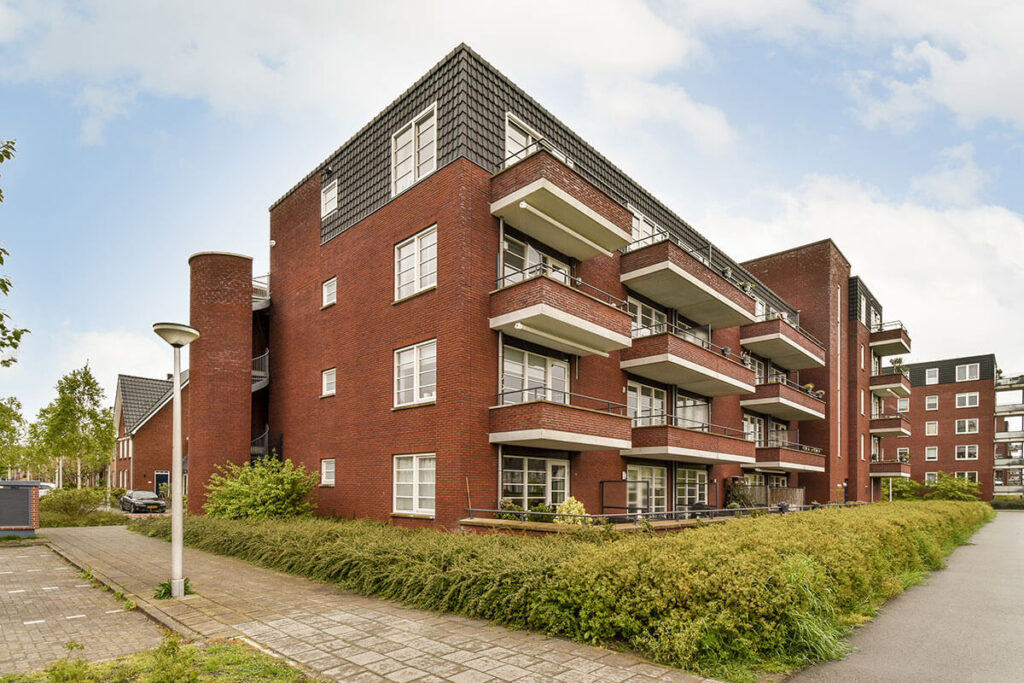
Apartments and townhouses need a slightly different approach. Inspectors focus on the individual unit, while common property is the responsibility of the owners corporation. Ask for the owners corporation certificate, maintenance plan and recent meeting minutes, which may reveal known defects, special levies or disputes. For newer buildings, check whether any building defects or cladding issues have been reported.
Reading Your Building and Pest Inspection Report
Reports typically rate defects as minor, major or safety hazards. Focus first on major defects and safety issues, then on items that could become expensive if ignored – such as roof leaks, drainage problems or termite activity. If something is unclear, call the inspector. If repairs are needed, get quotes before settlement so you understand the real cost, and talk to your conveyancer about your options under the contract.
Frequently Asked Questions
How much does a building and pest inspection cost in Melbourne?
Prices vary with the property’s size, age and location. Get several quotes and check what the report includes before booking.
Is a building and pest inspection required by law?
No, it is optional for buyers in Victoria, but strongly recommended, especially for older homes.
How long does an inspection take?
The on-site inspection usually takes one to three hours, and the written report is often provided within one or two business days.
Can I add an inspection clause after signing?
Generally no – special conditions must be agreed before the contract is signed. Ask your conveyancer to add the clause first.
Need help? Easy Home Conveyancing offers fixed-fee conveyancing across Melbourne and Victoria. Call 0412 850 551 or request a free quote.